
Looking for a quick and tasty dinner idea? These Lemon Dill Salmon Cakes are a perfect choice! They’re packed with flavor and super easy to make with simple ingredients. Whether you’re cooking for family or friends, these delicious patties will wow everyone. Let’s dive into this flavorful recipe that is sure to become a new favorite in your home!
Why I Love This Recipe
- Quick and Easy: This recipe comes together in just 30 minutes, making it perfect for a weeknight dinner.
- Flavorful Ingredients: The combination of fresh dill and lemon zest brings a bright, refreshing flavor to the salmon cakes.
- Healthy Option: Using canned salmon provides a nutritious protein source that's rich in omega-3 fatty acids.
- Versatile Serving: These salmon cakes can be served as an appetizer, main dish, or even in a sandwich!
Ingredients
Complete List of Ingredients
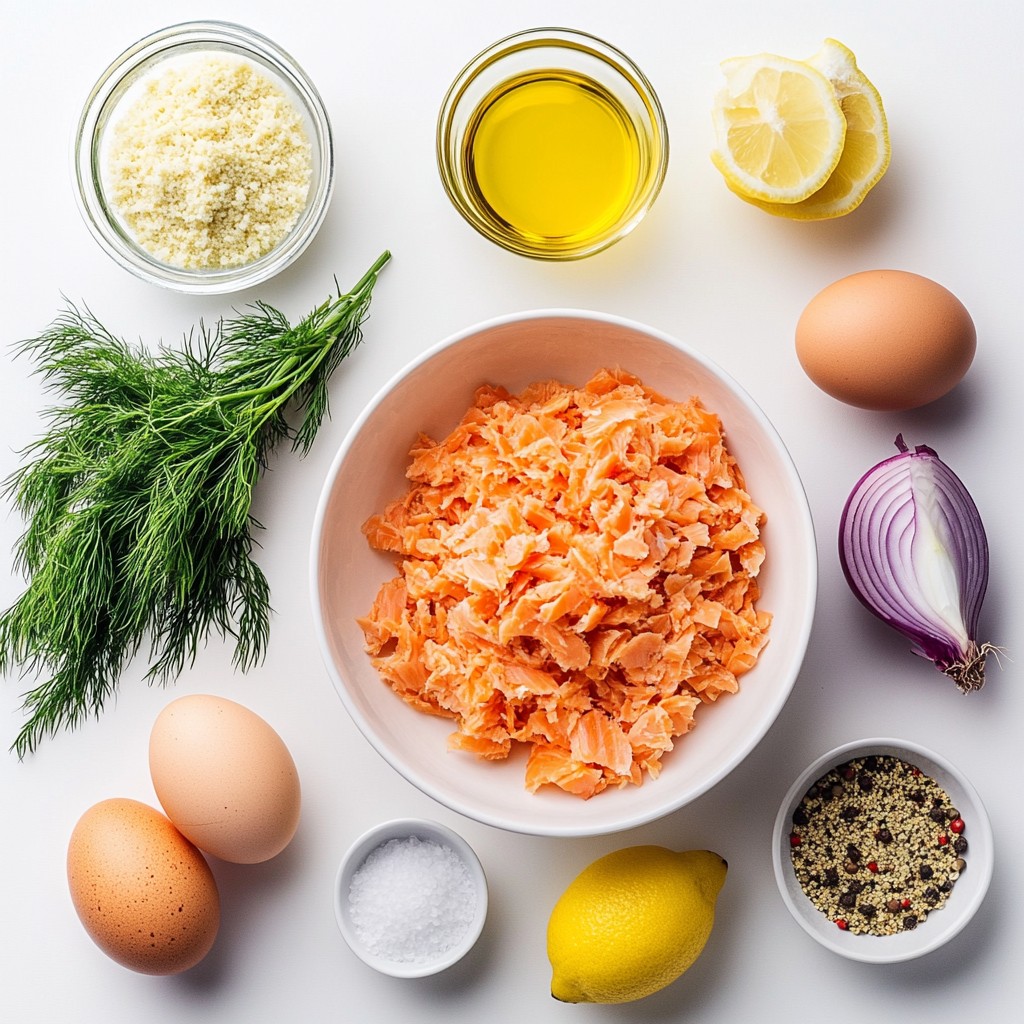
- 1 lb canned salmon, drained and flaked
- 1/2 cup breadcrumbs (plain or seasoned)
- 2 large eggs
- 2 tablespoons fresh dill, chopped
- Zest of 1 lemon
- 2 tablespoons lemon juice
- 1/4 cup red onion, finely chopped
- 1 garlic clove, minced
- 1/2 teaspoon salt
- 1/4 teaspoon black pepper
- 1/4 teaspoon paprika
- 2 tablespoons olive oil for frying
I love using canned salmon for these cakes. It’s easy and packed with flavor. You can find it in most stores. Make sure to drain it well, so the cakes hold together. Breadcrumbs give the cakes a nice crunch. You can use plain or seasoned ones based on your taste.
Fresh dill is a must for that bright flavor. Lemon zest and juice add a refreshing touch. I always zest the lemon before juicing it. Red onion gives a slight sweetness, while garlic adds depth.
The seasoning mix is simple but effective. Salt, black pepper, and paprika bring everything together. Finally, olive oil is key for frying. It helps create a crispy outer layer that you will love.
Gather these ingredients, and you’re ready to make some tasty Lemon Dill Salmon Cakes!
Step-by-Step Instructions
Mixing the Ingredients
Start by taking a large mixing bowl. In this bowl, combine the canned salmon, breadcrumbs, and eggs. I like to use my hands to mix this well, but a fork works too. Next, add in the fresh dill, lemon zest, and lemon juice. This mix gives the cakes a bright flavor. Make sure everything is well combined, so each bite is tasty.
Adding Flavor
Now, it’s time to add more flavor. Chop the red onion and mince the garlic. Add them to your bowl. Also, sprinkle in the salt, black pepper, and paprika. These spices really boost the taste. Mix everything again until it’s evenly distributed. This step is key! You want every salmon cake to have the same great flavor.
Shaping the Patties
Once your mixture is ready, it’s time to shape the patties. Grab a handful of the mix and form it into a patty. Aim for about 2-3 inches in diameter. You should be able to make around 8 cakes. Place them on a plate or tray. Keep them close together, but don’t stack them. This helps keep their shape.
Cooking the Salmon Cakes
Next, heat olive oil in a large skillet over medium heat. Wait until the oil is hot, then place the patties in the skillet. Make sure to leave space between each cake. Cook for about 4-5 minutes on each side. You want them golden brown and crispy. Be gentle when flipping to keep them intact. Once done, transfer the cakes to a paper towel-lined plate to drain any extra oil. Enjoy your delicious Lemon Dill Salmon Cakes!
Tips & Tricks
Perfecting the Salmon Cakes
To cook salmon cakes well, aim for medium heat on your stove. This heat level lets the cakes brown nicely without burning. When you put the cakes in the skillet, be sure the oil is hot. You can test this by adding a small piece of the mixture; it should sizzle right away.
To stop the cakes from breaking apart, be gentle when flipping them. Use a spatula to carefully lift them. If they feel loose, let them cook a bit longer before turning. The longer they cook, the firmer they get.
Enhancing Flavor
You can boost the flavor of your salmon cakes by adding more herbs. Fresh parsley or chives can add a nice touch. If you like heat, try adding a pinch of cayenne pepper or some chopped jalapeños.
To make these cakes gluten-free, swap out the breadcrumbs for crushed gluten-free crackers. You can also use almond flour or coconut flour. Make sure to check labels to avoid any hidden gluten in your ingredients.
Serving Suggestions
These salmon cakes pair well with a fresh salad or roasted veggies. You could serve them with a yogurt sauce made from Greek yogurt, lemon juice, and dill. This sauce adds a creamy, tangy flavor.
For a nice presentation, serve the cakes on a bed of mixed greens. Add some lemon wedges and a sprinkle of dill on top. This makes the dish look bright and inviting.
Pro Tips
- Chill the Mixture: Refrigerating the salmon mixture for 30 minutes before forming patties helps them hold their shape better while cooking.
- Use Fresh Salmon: If you prefer, substitute canned salmon with freshly cooked salmon for a richer flavor and texture.
- Experiment with Herbs: Feel free to add other fresh herbs like parsley or chives to diversify the flavor profile of your salmon cakes.
- Serve with Dipping Sauce: A creamy dipping sauce made with Greek yogurt, lemon juice, and herbs pairs wonderfully and enhances the flavor.
Variations
Ingredient Swaps
You can switch up the protein in your salmon cakes. If you want a change, try crab or tuna. Both options give a nice twist to the flavor. For a vegetarian version, use chickpeas or black beans. Just mash them well and follow the same recipe. This way, you keep the texture and taste.
Flavor Profiles
Herbs can change the taste of your salmon cakes. While dill is great, you can also use parsley or cilantro. These herbs will add fresh notes. If you want more depth, add some chopped spinach or bell peppers. Diced zucchini also works well and adds moisture. Just be sure to squeeze out excess water from veggies.
Cooking Methods
You can bake or fry your salmon cakes. Frying gives a crispy outside. Use olive oil in a hot skillet for best results. If you prefer baking, place the patties on a lined pan. Bake at 375°F for about 20 minutes. Flip halfway for a golden crust.
If you're short on time, an air fryer is a great choice. Set it to 375°F and cook for about 10-12 minutes. This method keeps them crispy without much oil. Enjoy experimenting with these variations!
Storage Info
How to Store Salmon Cakes
Store your lemon dill salmon cakes in the fridge for up to three days. Place them in an airtight container. Make sure they cool completely before sealing. For longer storage, you can freeze them. Wrap each cake in plastic wrap, then place them in a freezer bag. This method keeps them fresh for up to three months.
Reheating Guidelines
To reheat salmon cakes, the best method is to use the oven. Preheat it to 350°F (175°C). Place the cakes on a baking sheet. Heat for about 10-15 minutes or until warm. You can also use a skillet. Heat a small amount of olive oil over medium heat. Cook each cake for about 3-4 minutes on each side. To prevent dryness, add a splash of water to the skillet before covering it. This helps keep the cakes moist while reheating.
FAQs
Can I use fresh salmon instead of canned?
Yes, you can use fresh salmon. Fresh salmon gives a richer taste. To make cakes, cook the fresh salmon first. You can bake or pan-sear it until cooked through. Then, flake it like you would canned salmon. Use about 1 pound of fresh salmon for the recipe.
How do I know when the salmon cakes are done?
Check the color and texture. The cakes should be golden brown on both sides. They usually take about 4-5 minutes per side. You can also test by gently pressing the center. If it feels firm and holds its shape, they are ready.
What dishes pair well with Lemon Dill Salmon Cakes?
These salmon cakes go well with many sides. Here are some great options:
- Mixed greens salad with lemon vinaigrette
- Roasted vegetables like asparagus or broccoli
- Creamy mashed potatoes or a light potato salad
- A side of tartar sauce or yogurt sauce for dipping
These sides will make your meal even more enjoyable.
You learned how to make delicious salmon cakes using simple ingredients. We covered mixing, shaping, and cooking. Plus, I shared tips for perfect results. You can try variations with different proteins or cooking methods. Remember, store your cakes properly to keep them fresh. Enjoy serving them with your favorite sides. Feel free to experiment and make these cakes your own. Cooking should be fun and rewarding, so enjoy every bite you create.